You don’t need to ask our permission or credit us to use anything on this page.
All our cuts run 90 minutes and can be staged with a cast of seven to ten actors.
Information about individual scripts — including dramaturgical notes about how we cut our scripts and what we’ve removed from each play, as well as doubling charts, props, and fights — can be found on the first two pages of each cut.
If you have additional questions about these cuts, email us.
Texts
- Antony and Cleopatra
- Antony y Cleopatra (bilingual en/es)
- As You Like It
- Coriolanus
- Hamlet
- Henry IV (Conflated)
- Henry V
- Julius Caesar
- King John
- King Lear
- Macbeth
- Macbeth (60min)
- Measure for Measure
- A Midsummer Night’s Dream
- Much Ado About Nothing
- Richard II
- Richard III
- Romeo and Juliet
- The Sonnets
- Titus Andronicus
- Twelfth Night
- The Winter’s Tale
Production Resources
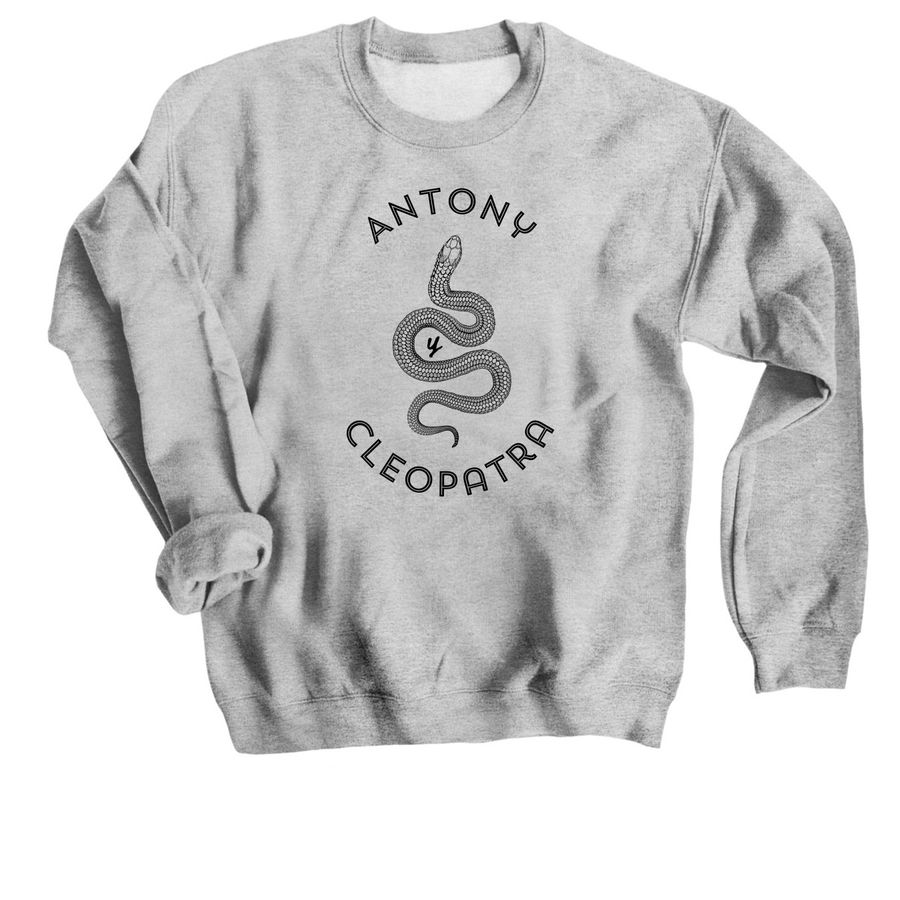
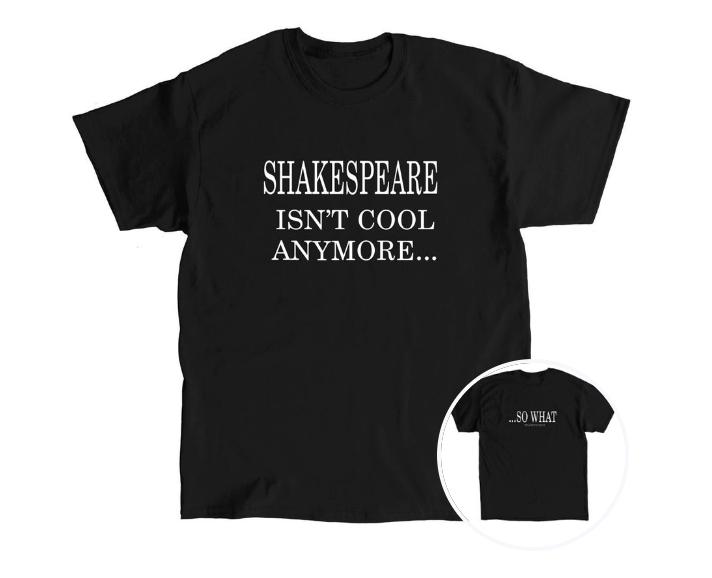
In the immortal words of every hardcore frontman ever,
“We have merch in the back”
Elsewhere Shakespeare is a tiny organization that believes in giving away the art that we make and the tools we use to make it. If that is a meaningful idea to you, consider making a tax-deductible donation to us through Fractured Atlas.
With an annual budget of less than $1,000, your three-dollar donation makes a much bigger difference to us than it would to a larger organization.
Get in touch
elsewhereshakespeare@gmail.com
Companies:
Backroom Shakespeare Project
The Bridge Ensemble
The Container Globe
Incite Shakespeare Company
Junkyard Shakespeare
The Offing Lab
Teatro Socco
Theatre in the Open
The Vanguard
Vicious Mole Theatre Collective
Artistic Associates:
Adam Turck, Alana Wiljanen, Andrew Codispoti, Annabel O’Hagan, Brayden Hearn, Danica Jackson, Elizabeth Jay, Hilary Dennis, Jenna Thomas, Jessie Lillis, Kati Grace Kirby, Lydia Brendel, Lynii, Maddy Gillespie, Mairi Chanel, Molly McInturff
All three Elsewhere actor-managers have education backgrounds and extensive experience working with students in elementary school through university.
We specialize in the historical context of Shakespeare’s plays as well as rhetoric. We believe the plays most come alive when you look at them how actors and audiences in 1600 would have looked at them. We would love to help you teach any of the plays (or sonnets!) either in a literature or a theatre classroom, or to give a workshop for your actors with monologue and scene work.